

Enrolling in a pet grooming course involves structured training that combines theoretical knowledge with practical skills over weeks or months. Students learn essential grooming techniques such as brushing, bathing, nail trimming, and breed-specific styling while practicing on various animals pet grooming academy. The course covers animal behavior, safety measures, and gentle restraint methods to guarantee welfare. Certification opportunities help validate skills and open career paths. Further details explain the scope and benefits of these courses.
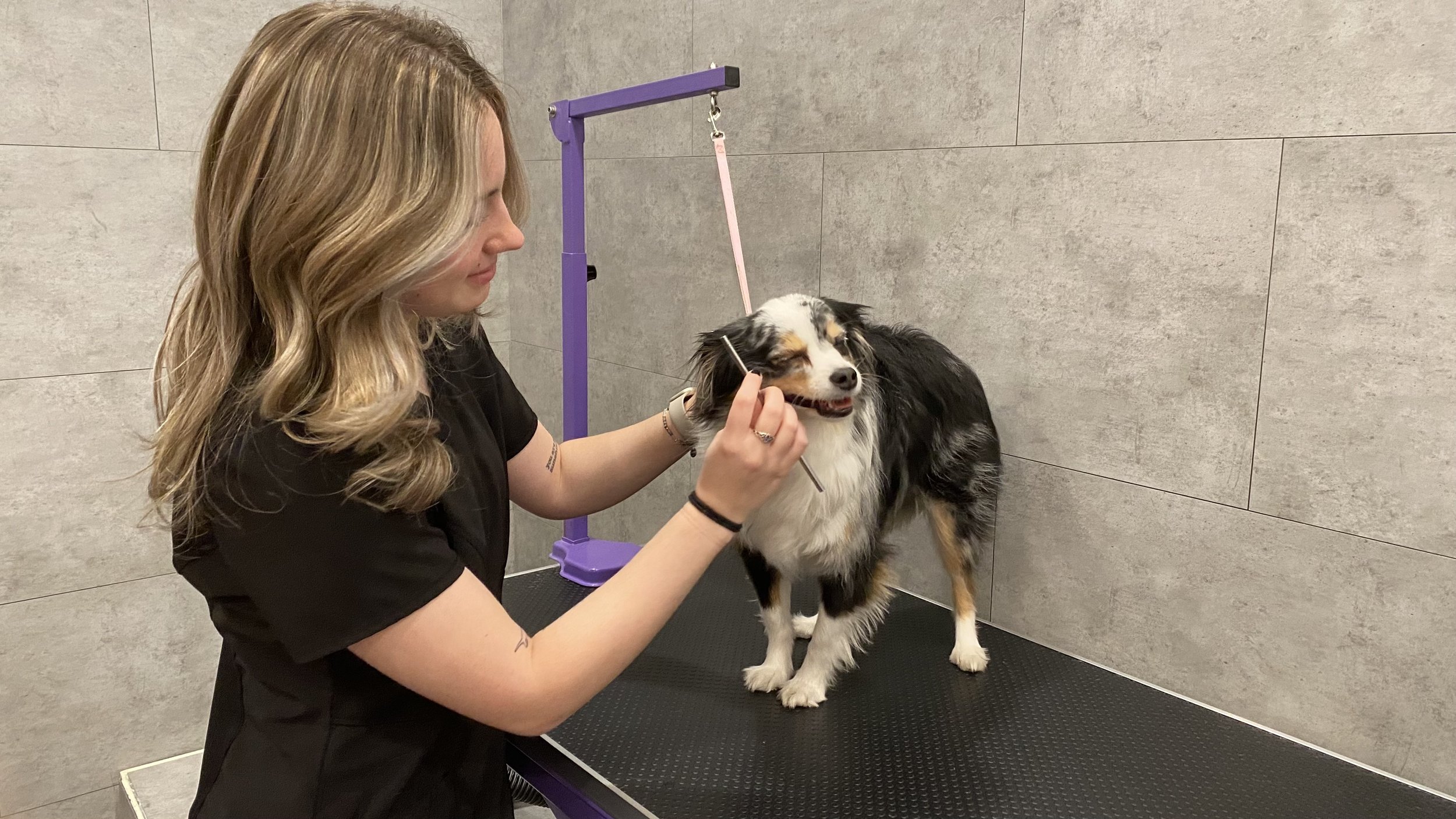
Overview of Course Structure and Duration
A typical pet grooming course is designed to provide both theoretical knowledge and practical skills within a structured timeframe.
These courses often span from a few weeks to several months cosmos pet universe, accommodating various schedules and learning paces. The curriculum balances classroom instruction with hands-on practice, ensuring students gain confidence and competence.
Flexibility is a key feature, with some programs offering part-time, full-time, or online options to suit individual lifestyles. This approach allows learners to progress without compromising their personal freedom.
Assessments and practical demonstrations typically mark the course’s progression, helping students track their development.
Essential Grooming Techniques and Tools You Will Learn
Building on the course structure that blends theory with practical experience, students gain hands-on exposure to various grooming techniques and tools. This foundation empowers learners to confidently care for pets while respecting their comfort and individuality.
Key skills and equipment introduced include:
- Proper brushing and detangling methods tailored to coat type
- Safe bathing practices using specialized shampoos and conditioners
- Nail trimming techniques to prevent injury and discomfort
- Ear cleaning procedures to maintain hygiene and detect issues early
- Use of clippers and scissors for precise trimming and styling
These essentials equip students with the freedom to adapt techniques creatively while ensuring animal welfare. Mastery of these tools and methods is vital before progressing to breed-specific grooming challenges.
Hands-On Practice With Different Breeds
Gaining practical experience with various breeds allows students to apply foundational grooming techniques while adapting to distinct coat types, temperaments, and grooming needs.
This hands-on exposure is essential for developing confidence and skill, as each breed presents unique challenges, from curly or dense fur to sensitive skin.
Working directly with different dogs enables students to recognize breed-specific grooming requirements and tailor their approach accordingly.
Such practice also prepares students to handle diverse client requests independently, fostering a sense of autonomy.

Understanding Animal Behavior and Safety Measures
Since animal behavior can be unpredictable, understanding its signals is essential for maintaining safety during grooming sessions.
Pet grooming courses emphasize recognizing stress, fear, and aggression cues to protect both the groomer and the animal. Students learn practical strategies to create calm environments and respond appropriately to different temperaments.
Key safety measures include:
- Reading body language such as tail position and ear movement
- Using gentle restraint techniques to avoid injury
- Preparing grooming tools to minimize discomfort
- Establishing trust through consistent, calm interaction
- Knowing when to pause or stop a session for the animal’s wellbeing
Mastering these aspects enables groomers to work confidently and freely, ensuring a positive experience for animals and professionals alike.
Opportunities for Certification and Career Advancement
Exploring certification options allows pet grooming professionals to validate their skills and enhance their credibility within the industry. Certifications from recognized organizations provide standardized benchmarks, demonstrating a groomer’s expertise and commitment to quality care.
These credentials often open doors to higher-paying positions, independent business opportunities, and specialized roles such as breed-specific grooming or mobile services. Additionally, career advancement can include leadership roles in salons or teaching positions in grooming schools.
Certification also fosters client trust, which is essential for those seeking autonomy and flexibility in their work. By pursuing these qualifications, groomers gain the freedom to shape their career paths with greater confidence and independence, aligning professional growth with their personal goals and lifestyle choices.
Conclusion
Enrolling in a pet grooming course offers a thorough introduction to essential techniques, tools, and breed-specific practices. Participants gain valuable hands-on experience while learning to manage animal behavior safely. The structured curriculum, typically spanning several weeks or months, prepares individuals for professional certification and career growth within the pet care industry. Overall, such courses provide a solid foundation for those seeking to develop skills and pursue opportunities in pet grooming.